
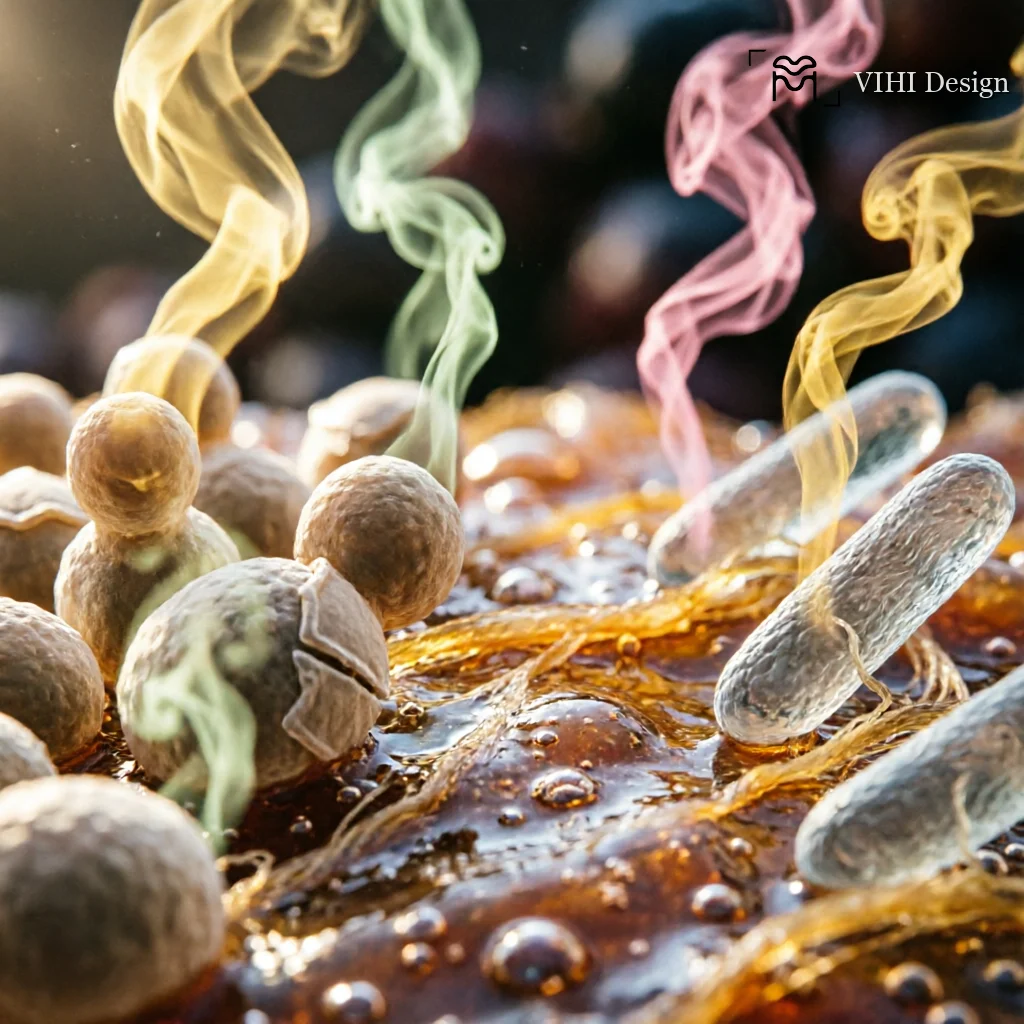
Saccharomyces vs. Pichia: The Yeast Rivalry in Your Coffee Fermentation Tank
Introduction
The journey of specialty coffee from cherry to cup is a complex biochemical narrative, with each step imparting critical influence on the final sensory profile. Historically, post-harvest processing—particularly fermentation—was viewed as a necessary, yet somewhat uncontrolled, step to remove mucilage. However, the paradigm has shifted dramatically. Contemporary research and pioneering practices now recognize fermentation as a deliberate and manipulable stage for flavor development, positioning the coffee fermentation tank as a dynamic microbial ecosystem. Within this ecosystem, yeasts have emerged as principal actors, driving metabolic conversions that directly shape acidity, aroma, and mouthfeel.
The dominance of Saccharomyces cerevisiae in oenology and brewing has led to its initial, perhaps biased, application in coffee fermentation trials. Concurrently, species of Pichia (and its teleomorph Komagataella) are frequently identified as robust indigenous inhabitants of coffee processing environments. This sets the stage for a biological and biochemical rivalry: the specialized, often inoculated, fermentative powerhouse (Saccharomyces) versus the versatile, adaptive, and naturally occurring oxidative yeast (Pichia). Unraveling this rivalry is not merely academic; it is essential for advancing the science of post-harvest processing, enabling producers to move from chance to choice in crafting coffee flavor.
Theoretical Background
Coffee fermentation is primarily a mucilage degradation process. The mucilage, a pectin-rich layer surrounding the bean, provides a substrate for microbial growth. The succession and activity of microorganisms are governed by factors including temperature, pH, oxygen availability, substrate composition, and initial microbial load. In this environment, yeasts compete with bacteria and filamentous fungi, but their unique metabolic capabilities make them particularly influential for flavor.
Yeast Metabolism and Flavor Precursor Formation
Yeasts contribute to coffee fermentation through three primary, interconnected pathways:
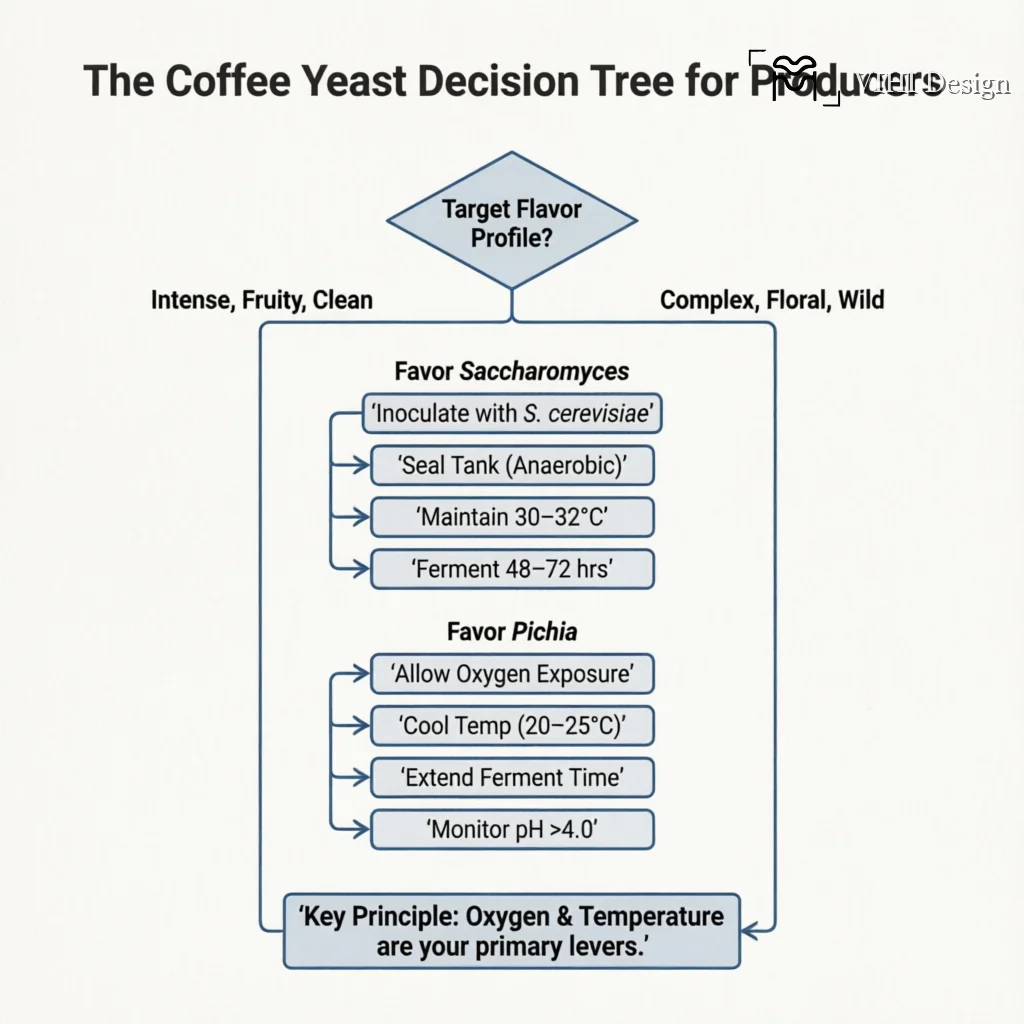
1. Saccharolytic Metabolism: Both genera metabolize simple sugars (glucose, fructose, sucrose) present in mucilage. Saccharomyces typically engages in ethanolic fermentation, converting sugars to ethanol and CO2 under anaerobic or microaerophilic conditions. This pathway also produces minor but sensorially critical secondary metabolites like higher alcohols, esters, and aldehydes. In contrast, many Pichia species exhibit a Crabtree-negative physiology, favoring respiratory metabolism in the presence of oxygen, which leads to more efficient biomass production and less ethanol, but can promote the formation of organic acids and other oxidative compounds.
2. Pectinolytic Activity: While yeasts are not primary pectin degraders, certain species, notably within Pichia, have been shown to produce extracellular pectinolytic enzymes. This activity aids in mucilage breakdown, altering the physical structure of the fermentation mass and potentially releasing additional substrates for other microbes, thereby shaping the entire microbial succession.
3. Volatile Organic Compound (VOC) Synthesis: This is the most direct link to cup quality. Yeasts synthesize a vast array of VOCs via their central carbon metabolism and amino acid catabolism. Esters (fruity), higher alcohols (floral, alcoholic), and aldehydes (green, pungent) are key groups. The metabolic “signature” of Saccharomyces is often ester-heavy, while Pichia may produce distinct profiles with higher levels of certain alcohols and volatile acids. Critically, these compounds can be absorbed by the hygroscopic coffee bean during fermentation, becoming latent flavor precursors that are later expressed during roasting.
Ecological Dynamics and the Concept of Rivalry
The interaction between Saccharomyces and Pichia is not a simple binary competition. It is an ecological dynamic influenced by:
Nutrient Competition: Both compete for the same simple sugars. Saccharomyces‘s high glycolytic flux can give it a competitive edge in high-sugar, low-oxygen niches, rapidly depleting resources and producing ethanol.
Environmental Tolerance: Saccharomyces is generally more tolerant to ethanol and acidic conditions, allowing it to dominate later fermentation stages. Pichia species often show greater tolerance to lower temperatures and higher oxygen levels, making them pioneers in aerobic phases or on exposed surfaces.
Microbial Interactions: The relationship can be antagonistic or synergistic. Saccharomyces may inhibit competitors via ethanol production. Conversely, Pichia‘s pectinase activity can facilitate sugar release, potentially benefiting other microbes. Some Pichia species can also metabolize organic acids produced by bacteria, modulating pH and the course of fermentation.
This theoretical framework establishes the fermentation tank as a battleground of biochemical strategies. The outcome of this rivalry—whether one genus dominates, or a succession occurs—directly dictates the chemical palette from which roast-driven flavors are formed. Understanding these principles is the foundation for developing controlled fermentation protocols using targeted inoculations or environmental management to steer the microbial community towards a desired sensory outcome.
Saccharomyces vs. Pichia: The Yeast Rivalry in Your Coffee Fermentation Tank (Part 2)
Having established the microbial battlefield, we now turn to the tangible results: the cup in your hand. The strategies of Saccharomyces and Pichia don’t end at the fermentation tank; they echo through roasting, grinding, and extraction, presenting unique opportunities and challenges for the barista.
From Microbial Metabolism to Brew Parameters
The chemical legacy of fermentation directly influences how coffee behaves during extraction. A Saccharomyces-dominant fermentation tends to produce a denser, more structured bean with a higher concentration of simple sugars. This often results in a more predictable and linear extraction curve. Conversely, a batch with significant Pichia influence, rich in complex esters and altered organic acid profiles, can present a different solubility profile. The beans may extract differently, sometimes requiring finer adjustments to grind size and water temperature to achieve balance.
The Barista’s Playbook: Brewing for the Yeast
Your approach at the brew station should honor the microbial work. Here’s how to tailor your technique based on the fermentation profile.
For Saccharomyces-Driven Coffees (Clean, Boozy, Fruity):
- Focus on Clarity: Use lower-temperature water (90°-92°C / 194°-198°F) to highlight crisp acidity and avoid “cooking” delicate alcohols.
- Grind & Structure: A medium-fine grind often works well. These coffees can support longer contact times (like a 3:30 minute pour-over) to build body and sweetness derived from the fermented sugars.
- Tip: If you detect a pleasant, wine-like ethanol note, a slightly coarser grind and faster brew can elevate it without making the cup taste “fermented.”
For Pichia-Influenced Coffees (Floral, Tropical, Funky):
- Embrace Complexity: Use higher-temperature water (94°-96°C / 201°-205°F) to fully volatilize and express the intricate ester aromas (think pineapple, rose).
- Grind & Agitation: Start with a medium grind. Be mindful of agitation; excessive stirring can over-extract the unique compounds, leading to a soapy or perfumed finish. Aim for gentle, even saturation.
- Tip: If the coffee tastes overwhelmingly funky or cheesy (a sign of potent bacterial co-fermentation), try a slightly lower temperature and a shorter brew time to tame the wilder notes while preserving the floral sweetness.
Remember, these are guidelines. Always let taste guide you. The roast level will also interact significantly with these fermentation profiles—a light roast preserves more microbial nuance, while a darker roast will overshadow it with Maillard-driven flavors.
Experience & Expertise: Sourcing and Tasting with Intention
As a consumer or professional, engaging with these coffees requires a shift in perspective. When sourcing, ask producers or importers about their fermentation methods. Terms like “controlled anaerobic,” “yeast inoculation,” or “wild fermentation” are your clues. A coffee described as “anaerobic with Saccharomyces cerevisiae” is telling you it was steered towards a specific, predictable profile.
In the cupping or tasting session:
- Nose the Dry Grounds: Before adding water, deeply inhale. Do you get bright, berry jam (Saccharomyces) or a heady mix of flowers and overripe fruit (Pichia)?
- Track the Break: The crust break is a volatile explosion. Pichia coffees can have a shockingly pungent and complex break that settles into elegance.
- Mind the Aftertaste: The microbial finish is telling. A clean, wine-like linger points to Saccharomyces. A evolving, tea-like, or perfumed aftertaste often signals Pichia‘s ester work.
Learn More: For a comprehensive understanding, explore our main guide on The Microbial Terroir of Coffee: How Native Microbes Shape Processing and Flavor.