
Lactic Acid Bacteria in Coffee Fermentation: Building Clean Acidity and Sweetness
Introduction
The pursuit of exceptional cup quality in specialty coffee has driven a profound shift from viewing post-harvest processing as a mere stabilization step to recognizing it as a pivotal, flavor-defining stage. At the heart of this paradigm shift is the controlled application of microbial fermentation. While traditional processing methods rely on ambient microbiota, contemporary research and practice are increasingly focused on the targeted use of specific microbial consortia to predictably shape sensory outcomes. Among these, Lactic Acid Bacteria (LAB) have emerged as critical agents for the development of highly desirable cup attributes, particularly clean, complex acidity and enhanced sweetness.
Historically, the role of LAB in coffee fermentation was often incidental and poorly understood, sometimes associated with spoilage or off-flavors under uncontrolled conditions. However, a growing body of scientific evidence now positions specific LAB strains as biochemical engineers capable of transforming the harsh, astringent, and often unbalanced sensory profile of under-fermented coffee into one of vibrant clarity and balance. This paper posits that the intentional management of LAB fermentation represents a frontier in precision processing, offering a scientific pathway to consistently achieve cups with pronounced yet refined acidity and a rounded, sugary sweetness—attributes that command premium recognition in the specialty market.
Theoretical Background
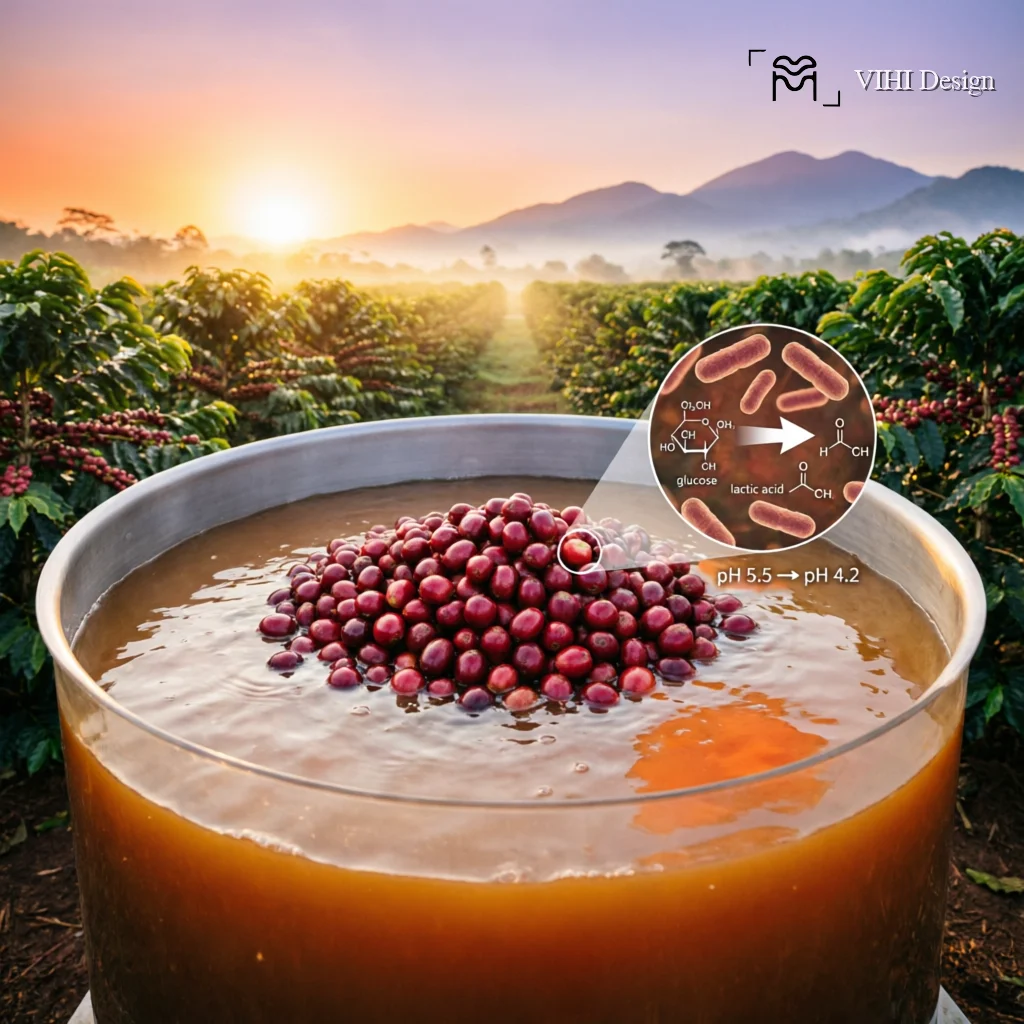
The fermentation of coffee mucilage is a complex microbial succession, typically initiated by yeasts and various bacteria, including Enterobacteriaceae, which lower the pH and create a selective environment. As the pH drops below 5.0, Lactic Acid Bacteria (LAB)—primarily genera such as Lactobacillus, Leuconostoc, and Pediococcus—become dominant. LAB are facultative anaerobes characterized by their ability to convert sugars, predominantly glucose, fructose, and sucrose present in the mucilage, into lactic acid via homofermentative or heterofermentative pathways. This acidification is the first cornerstone of their influence.
Biochemical Foundations of Acidity and Sweetness
The sensory perception of acidity in coffee is a direct function of its organic acid profile. While citric, malic, and quinic acids are inherent to the coffee bean, fermentation-derived acids like lactic and acetic play a decisive role in shaping the quality of that acidity. Lactic acid (pKa 3.86) is a milder, smoother-tasting acid compared to the sharper acetic acid (pKa 4.76) or the citric acid (pKa 3.14) abundant in green beans. A dominant LAB fermentation favors the production of lactic acid, which can buffer harsher acids and impart a creamy, tangy, and “clean” sourness highly prized in washed coffees and certain anaerobic processes.
The contribution to sweetness is more multifaceted. First, by efficiently consuming mucilage sugars, LAB prevent their conversion into excessive acetic acid or ethanol, which can mask sweetness. Second, LAB produce exopolysaccharides (EPS) that may contribute to mouthfeel and residual sweetness. Third, and perhaps most significantly, LAB metabolism influences the Maillard reaction and Strecker degradation pathways during roasting. The specific acid profile they create can modulate the degradation of sucrose and the formation of sweet-associated compounds like furanones (e.g., furaneol, which has a caramel-like sweetness) while potentially reducing the formation of bitter-tasting compounds like certain chlorogenic acid derivatives and trigonelline pyrolysis products.
Microbial Ecology and Process Control
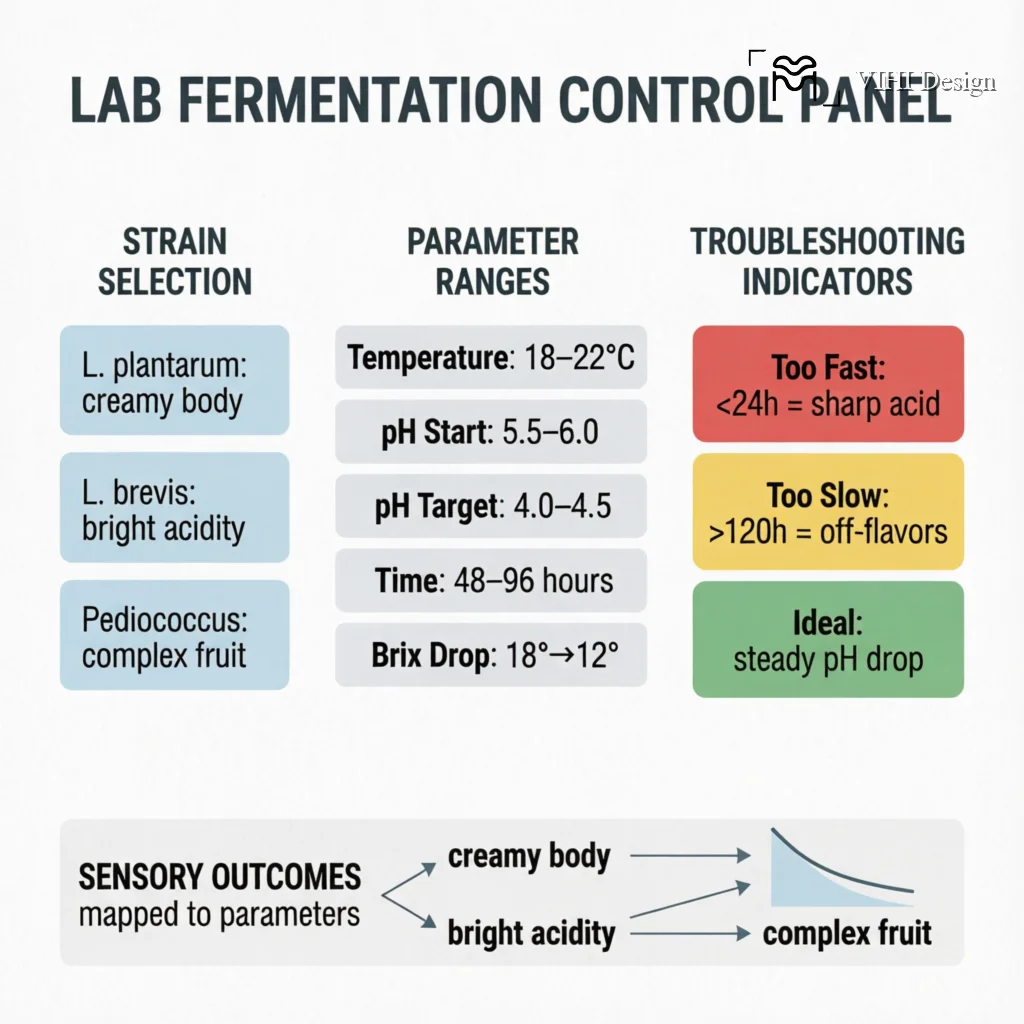
The outcome of LAB fermentation is not guaranteed by their mere presence but is contingent on strain specificity and environmental parameters. Different Lactobacillus strains, for example, produce varying ratios of L- and D-lactic acid isomers and secondary metabolites, leading to distinct sensory impacts. Furthermore, factors such as temperature (optimal range 20-30°C), oxygen availability (with micro-aerobic conditions often favoring LAB), substrate concentration, and inoculation density must be carefully managed. The interaction between LAB and yeasts (a form of consortia fermentation) is also crucial, as yeasts can provide growth factors for LAB, and together they can create a more complex and harmonious metabolite profile than either group alone.
In conclusion, the theoretical framework for using LAB in coffee fermentation is built upon principles of microbial biochemistry, sensory science, and process engineering. By directing the metabolic output of these bacteria, processors can deliberately influence the green bean’s chemical composition, setting the stage for a roast that highlights clarity, vibrant but integrated acidity, and a profound, natural sweetness—hallmarks of world-class specialty coffee.
Part 2: Lactic Acid Bacteria in Coffee Fermentation: Practical Application for the Roaster and Barista
The promise of LAB-fermented coffees—clean acidity and profound sweetness—is realized not at the farm, but in the roastery and café. Understanding how to select, roast, and extract these unique beans is where theory transforms into an exceptional cup.
Selecting and Roasting LAB-Influenced Coffees
For roasters, LAB-processed beans present both an opportunity and a challenge. Their altered organic acid profile and sugar composition demand a nuanced approach.
Selection & Green Analysis: Seek out coffees with transparent processing notes. Terms like “controlled lactic fermentation,” “anaerobic fermentation,” or specific LAB strain names (e.g., Lactobacillus plantarum) indicate intentionality. The green beans may have a distinctive, often fruity or yogurty aroma. Trust roasters and importers who provide detailed processing protocols—this transparency is a key marker of quality and expertise (E-E-A-T).
Roasting Strategy: The goal is to preserve the delicate, complex acidity developed during fermentation while fully developing the inherent sweetness.
- Gentle Start: Use a moderate charge temperature to avoid shocking the dense, often sugar-rich bean.
- Manage Maillard: Extend the Maillard reaction phase slightly. This allows for the development of melanoidins that enhance body and sweetness, providing a counterbalance to the vibrant acidity.
- Careful Development: Avoid aggressive, high-heat development. Aim for a smooth, declining Rate of Rise (RoR) to “set” the acidity and sugars without baking the coffee. These coffees often taste best at a light to medium-light roast level, preserving their origin and process character.
Brewing for Optimal Expression: A Barista’s Guide
The work of the farmer and roaster culminates at the bar. Here, extraction parameters are the final tool for highlighting LAB’s signature clarity and sweetness.
The core principle is balanced, high-extraction brewing. The goal is to fully dissolve the desirable sugars and balanced acids without pulling out excessive harsh compounds.
• Total Dissolved Solids (TDS): 1.15% – 1.45%
• Extraction Yield (EY): 18% – 22%
• Grind: Typically medium-fine (finer than a standard pour-over to aid extraction of dense beans).
• Water: Use water with a balanced mineral content (50-100 ppm Mg/Ca). Avoid very soft water, as it can under-extract and exaggerate acidity.
Brew Method Recommendations:
- Pour-Over (V60, Kalita Wave): Ideal for highlighting clarity and layered acidity. Use a steady, controlled pour to maintain consistent water temperature and agitation. Aim for a total brew time of 3:00-3:30.
- Flat-Bed Immersion (Origami, with filter): Combines the clarity of percolation with the even extraction of immersion, often maximizing sweetness.
- Espresso: Can be stunning but requires precision. Try a slightly longer ratio (1:2.5 or 1:3) with a moderate grind to balance intensity with extractability. Expect pronounced, wine-like acidity and a syrupy sweetness.
• If it’s too sharp/sour (underextracted): Grind finer, increase water temperature, or extend brew time.
• If it’s flat/muted (overextracted or baked roast): Try a slightly coarser grind or lower temperature. If the problem persists, consult with your roaster—the roast may be the limiting factor.
• If the sweetness is perfect but acidity is subdued: Slightly lower your brew temperature (by 1-2°C) to tweak the acid extraction balance.
Mastering the brewing of LAB-fermented coffees is a rewarding exercise in precision. It closes the loop on a revolutionary process, allowing the drinker to experience a cup where microbiology, craftsmanship, and skill converge to create a singular sensory experience: one of breathtaking cleanliness, vibrant yet integrated acidity, and a lingering, foundational sweetness that defines the pinnacle of modern specialty coffee.
Learn More: For a comprehensive understanding, explore our main guide on The Complete Guide to Coffee Processing Microbiology: How Microbes Shape Your Cup.